

Winter rolls in. Melbourne mornings are biting, Ballarat afternoons are colder still, and the heating bill is about to start climbing. You’re weighing options. Reverse cycle is everywhere. Gas fireplaces are everywhere. So how do they compare?
The honest answer is that they’re not really the same product. A reverse cycle split system is a workhorse: it heats and cools whole rooms or whole houses, all year round. A gas fireplace does something different. It anchors a room. It puts out radiant warmth you can feel from across the couch, and gives you a real flame to look at when the rain’s hitting the windows. Comparing them on cost per hour alone is a bit like comparing a kettle to an espresso machine because they both make hot drinks. The numbers tell you something, but they don’t tell you what each one is for.
Here’s how each one earns its place, what they cost to run, and how to decide which one (or both) suits your home.
How does each one make heat?
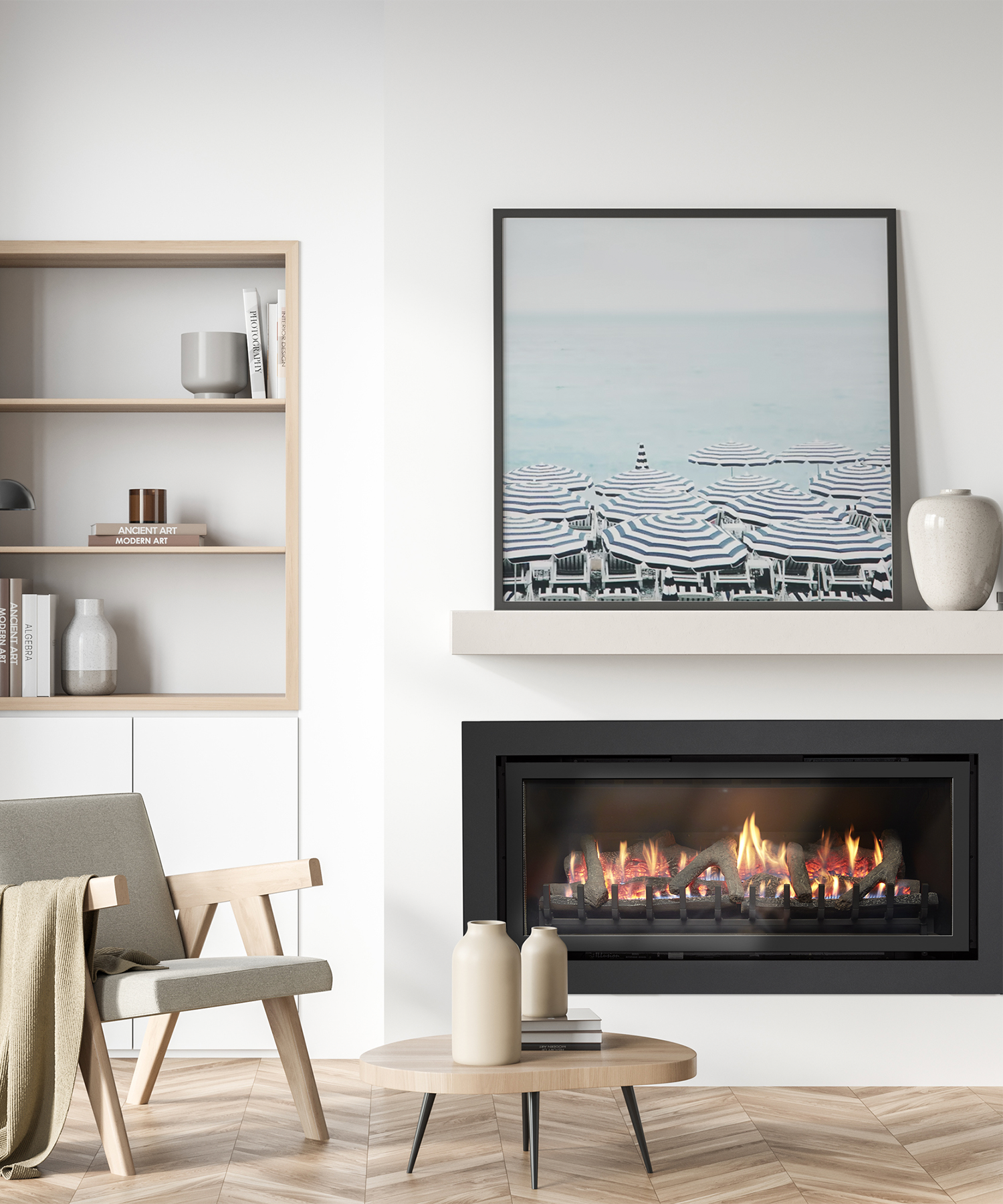
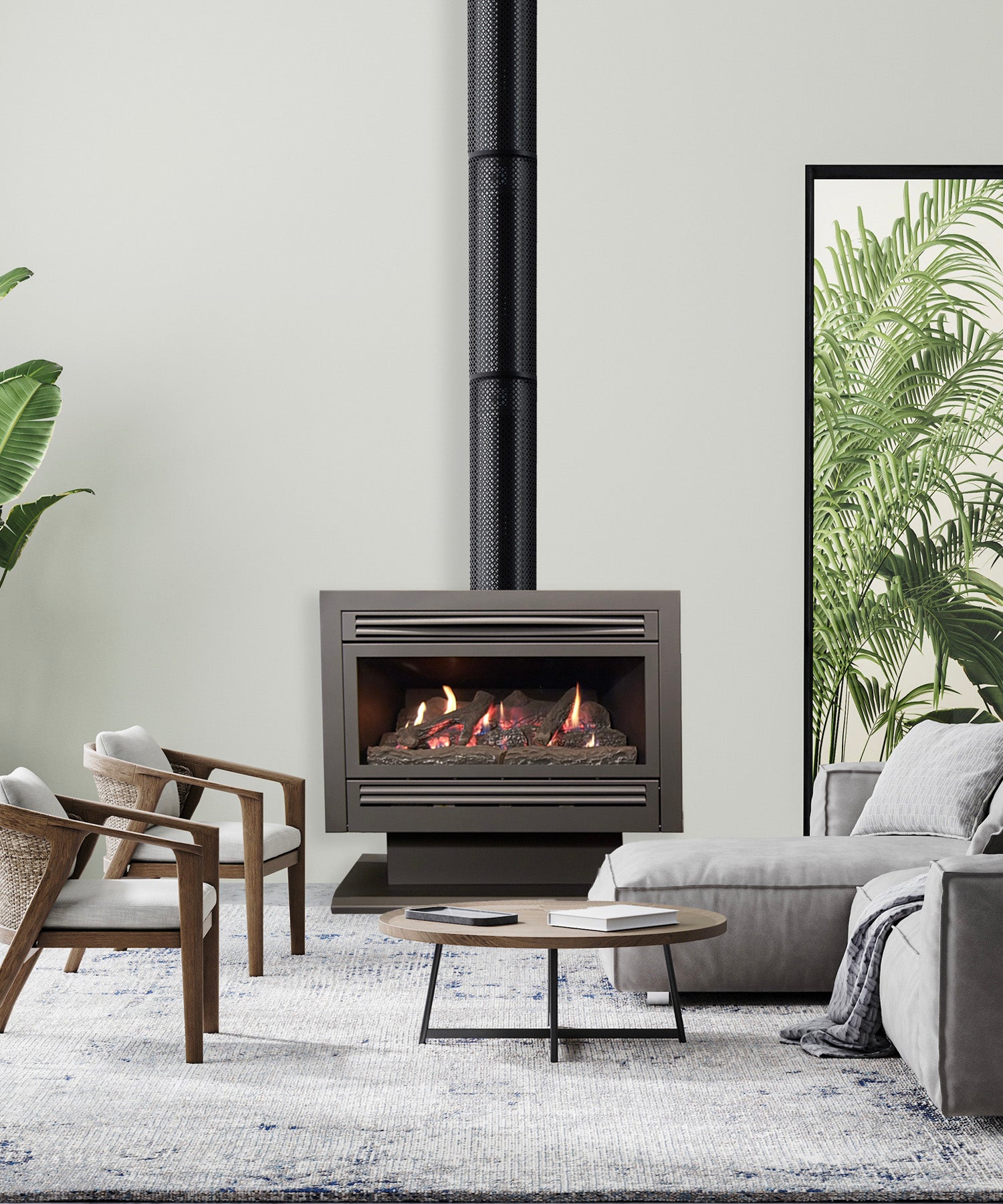
A gas fireplace, sometimes called a gas log fire for the realistic ceramic logs in modern units, burns natural gas or LPG. The flame radiates warmth into the room, and convection moves the warm air around the space. Modern flued gas log fires turn roughly 70 to 90 per cent of the gas they use into useful heat. The rest goes up the flue.
A reverse cycle system doesn’t make heat at all. It moves it. Refrigerant in the outdoor unit absorbs warmth from the outside air (yes, even on a cold day), pumps it indoors, and releases it through the wall-mounted head or the ducts. Because it’s transferring heat instead of creating it, it can deliver three to five times more heat energy than the electricity it draws. That ratio is called the coefficient of performance, or COP.
Two different kinds of warmth
A gas fireplace produces radiant heat - the kind that warms people directly, like sunshine through a window. A reverse cycle pushes warm air through the room. The thermostat reads the same temperature, but the room feels different. It’s the same reason cafes and restaurants put gas heaters in alfresco areas: the air is cold but you feel warm because the heat reaches you directly.
What gas fireplaces do well

A heater isn’t just a fuel burner. It’s something you live with for the next 15 to 25 years, and choosing one is about more than dollars per hour. There are a handful of things gas fireplaces do that a reverse cycle can’t match:
- The heat itself. Radiant warmth from a flame feels different to forced air. It warms people, not just the air around them. Many households find a fireplace makes a room feel warm at lower thermostat settings than the equivalent reverse cycle, which means the per-hour figures don’t tell the whole story.
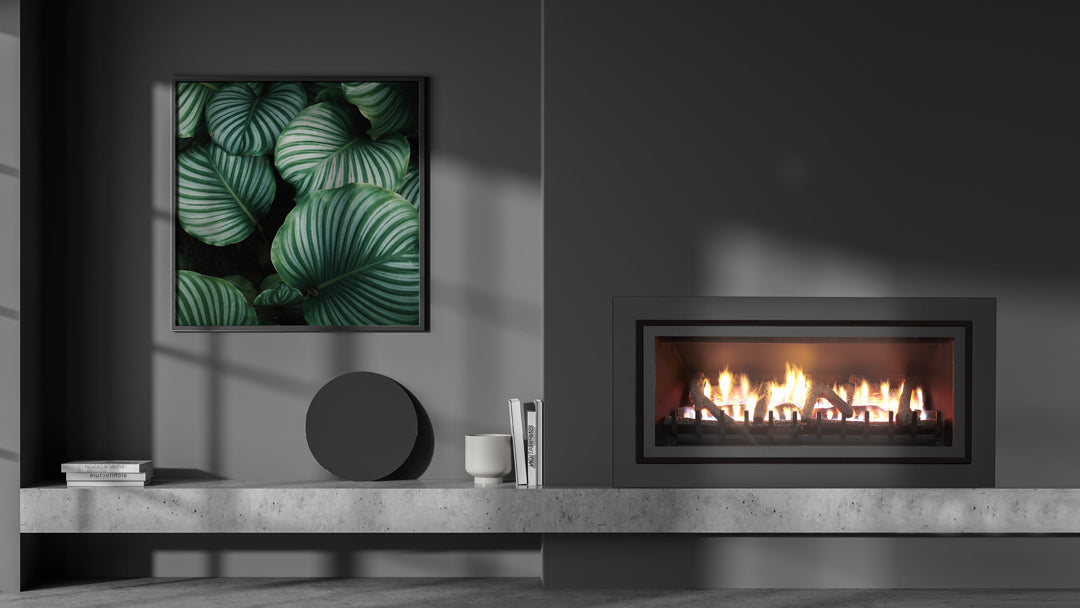
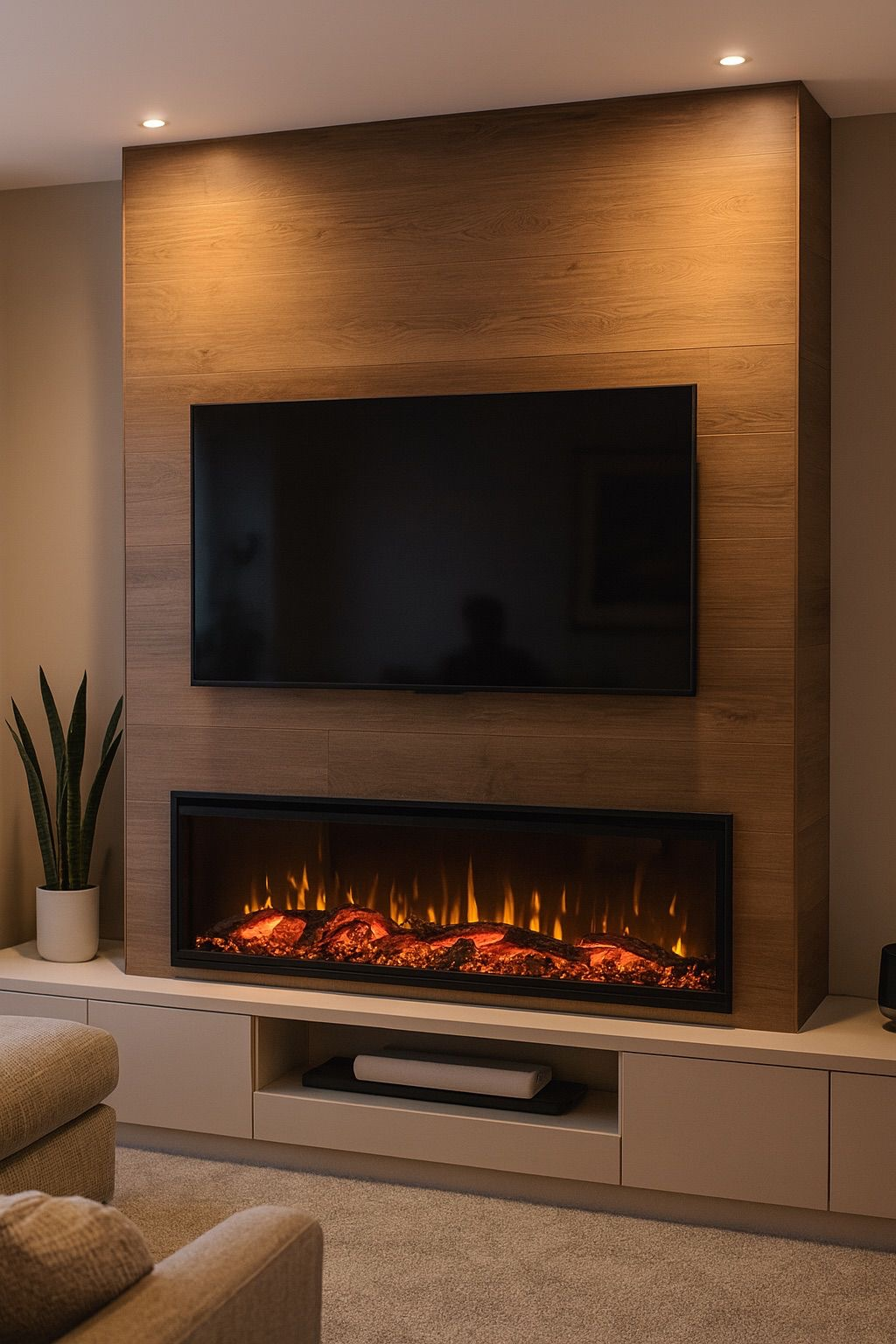
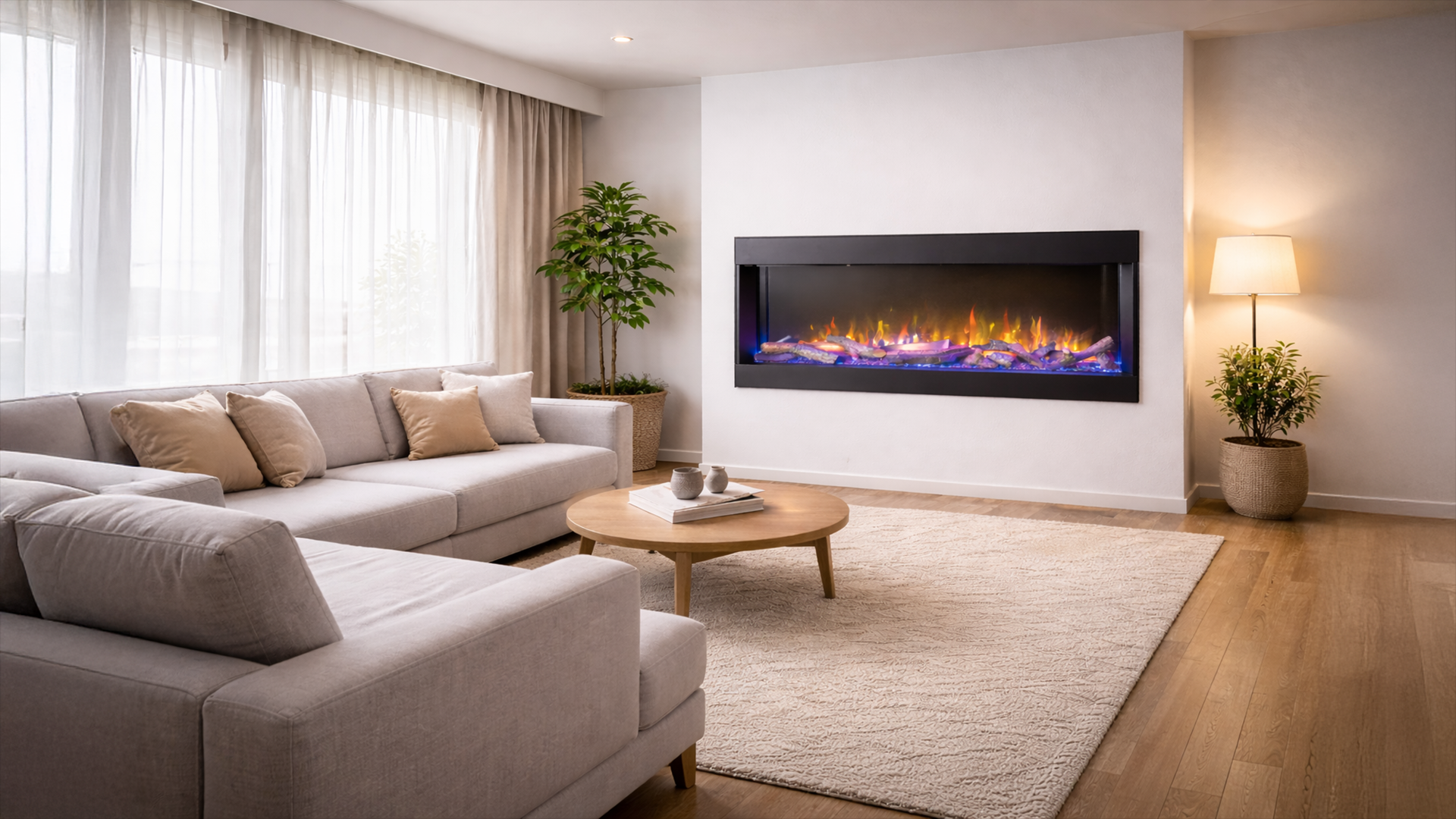
- A focal point. A real flame is the centre of a room. A split system’s indoor head is something most people try to forget is on the wall. For a living room, a master bedroom, or anywhere you spend evenings, the difference matters.
- Power-outage resilience. A reverse cycle is dead the moment the grid drops. Many flued gas fireplaces continue to radiate heat during a power cut, often using a small battery backup for the ignition. For households in the Macedon Ranges, the Adelaide hills, or parts of regional Victoria where storms can knock out power for a day or two, that’s not a small detail.
- Lifespan. A quality gas fireplace, looked after, can run 20 years or more. A residential split system typically lasts 10 to 15 years before the compressor or refrigerant gives out. Spread the upfront cost over the full life of the unit and the picture shifts.
- Home value. A well-installed fireplace is a feature buyers respond to when a home goes on the market. A split system is plumbing - expected, but not a selling point.
- A simpler maintenance rhythm. Both need annual servicing. A gas heater needs a gas-safe technician once a year. Split systems need filter cleaning every few months and refrigerant servicing as the system ages. Neither is hard, but the gas fireplace is the lower-touch option.
What does each one cost to run per hour?
Now to the numbers. Running cost depends on the size of the unit, your gas and electricity plan, and how cold it is outside. For a typical 30 to 40 square metre living room in Victoria, the picture looks something like this.
| Heater | Energy use | Rate | Cost per hour |
|---|---|---|---|
| Small gas fireplace | 20 MJ/h | 4.5c/MJ | ~$0.90 |
| Medium gas fireplace | 30 MJ/h | 4.5c/MJ | ~$1.35 |
| Large gas fireplace | 40 MJ/h | 4.5c/MJ | ~$1.80 |
| 5 kW reverse cycle (COP 4) | 1.25 kW | 30c/kWh | ~$0.38 |
| 7 kW reverse cycle (COP 3.5) | 2 kW | 30c/kWh | ~$0.60 |
Figures are indicative, based on current Victorian residential rates. Households in South Australia and Queensland pay 30 to 50 per cent more for gas. LPG bottles cost two to three times more than mains gas. Electricity rates vary too - from around 25c/kWh in Victoria up to 35c/kWh or more in South Australia.
On dollars per hour for the same room, reverse cycle is cheaper. That’s just how the maths works - a system that delivers four kilowatts of heat for every kilowatt of electricity it uses will come out ahead on a per-hour line item against a fuel that’s burnt directly.
But the per-hour figure is a partial picture. A gas fireplace running for 20 years compares differently to a split system replaced once or twice over the same period. Radiant heat warming the room at lower thermostat settings narrows the gap further. Power-outage resilience doesn’t show up on the bill at all, until it does. The honest comparison weighs all of that, not just the per-hour figure.
When does each one make sense?
The right answer depends on what you’re trying to do.
- Reverse cycle suits: whole-home heating, households that also need summer cooling from the same unit, primary heat for the main living areas, ducted setups with multiple zones.
- A gas fireplace suits: a focal-point room (living, family, master bedroom), households that want the experience of a real flame, supplementary or zone heating for the room you spend evenings in, or a complement to whole-home heating.
For plenty of Australian homes the answer is both. The reverse cycle handles the bedrooms, the kitchen, summer cooling, and the shoulder seasons. The gas fireplace handles the living room from May through September, when the family’s on the couch and that’s where you want to be. Workhorse and anchor. They do different jobs, and many households use both.
What about upfront cost and installation?
Both span a wide price range depending on the model and what your home needs.
- Gas fireplace: requires a gas connection (or LPG bottle), a flue or balanced flue, and a licensed gas fitter. Inbuilt units need a wall cavity. Freestanding units need clearance and a hearth.
- Reverse cycle split: requires a power circuit, an outdoor condenser location, and a licensed electrician. Ducted systems need ceiling space and considerably more installation work.
Both need a tradie who knows what they’re doing. The cheapest quote is rarely the right one for either.
Common questions
Is reverse cycle cheaper to run than a gas fireplace?
On a per-hour basis, usually yes. A modern split delivers three to five times more heat per unit of energy than a gas fireplace, which is why the cost-per-hour figure favours reverse cycle. The gap narrows in colder regions where COP drops, and narrows further once you factor in 20+ year fireplace lifespans against 10 to 15 year split system lifespans, and the way radiant heat lets you run a lower thermostat setting.
Can I have both a gas fireplace and reverse cycle in the same house?
Yes, and many Australian homes do exactly that. A reverse cycle handles whole-home heating and summer cooling. A gas fireplace anchors the living room, where ambience and radiant warmth matter more than running cost.
Which is better in winter, gas or reverse cycle?
Different strengths. Reverse cycle is cheaper per hour. Gas tends to feel warmer at the same thermostat setting because of how radiant heat works, and keeps going during a power cut. Both will heat a Melbourne living room properly. The right pick depends on what you value in the room you’re heating.
Does a gas fireplace heat a room as effectively as reverse cycle?
Yes, when sized correctly. A 30 MJ/h gas fireplace puts out roughly 7 to 8 kW of heat - similar to a 7 kW reverse cycle split. The difference is how the heat moves: gas radiates outward from the unit; reverse cycle pushes warm air through the space.
Is gas fireplace heat healthier than reverse cycle heat?
Both are safe when installed and maintained correctly. Reverse cycle dries indoor air slightly because it cycles air through the unit; gas fireplaces don’t have the same drying effect. People with allergies sometimes prefer fireplaces because there’s no air filter circulating dust. People with respiratory conditions sometimes prefer reverse cycle because it filters and moves clean air. Neither is universally better.
So which should you choose?
Reverse cycle is cheaper to run by the hour. A gas fireplace earns its keep on the things that matter once you’re actually living in the room - radiant warmth, a real flame to look at, resilience when the power’s out, and 20 years of service. For most Australian homes, the answer isn’t one or the other. It’s reverse cycle as the workhorse for the whole house, and a gas fireplace as the anchor for the room where you actually spend your winter evenings.
Illusion Fires has been making gas log fireplaces in Australia for decades, with a 10-year firebox warranty and showrooms in Dandenong, Epping, Geelong, Ballarat, Adelaide, Perth, Sydney, and Newcastle. Walk in with your room dimensions and your questions. We’ll talk you through what fits your space, your budget, and the way your household uses heat day to day.


Leave a comment
This site is protected by hCaptcha and the hCaptcha Privacy Policy and Terms of Service apply.