

The 1970s open wood fireplace in your lounge has been sealed with a sheet of MDF for the last decade. You light it twice a winter when the kids ask, then spend the next week wondering why the room smells like creosote. Or maybe the issue is a 1990s gas fire that takes twenty minutes to lift the room temperature and looks dated next to your renovated kitchen. Either way, you've reached the point where something has to change.
You've got three paths in front of you. Convert the existing fireplace to a modern gas log fire. Convert it to an electric fireplace. Or remove the old one entirely and install a fresh fireplace somewhere else in the room.
This article walks through all three options honestly, including the situations where conversion is the wrong call. By the end you'll know which question to ask first when you walk into a showroom.
What fireplace conversion covers
Fireplace conversion means changing the heating appliance inside an existing fireplace opening while keeping the architectural frame in place. The mantel, the hearth, and the surround usually stay. What lives behind them changes.
What's in scope for this article
- Three starting points: an old open wood fireplace, a basic 1990s gas fire, or a decommissioned masonry fireplace.
- Three end points: a modern gas log fireplace, a modern electric fireplace, or removal with a fresh installation on a different wall.
- The decision sits across cost, structure, fuel availability, and how the room is used.
The right answer depends on what you've got, what fuel sources you have access to, and how the room gets used. The next four sections walk through each path.
Converting to a gas log fireplace

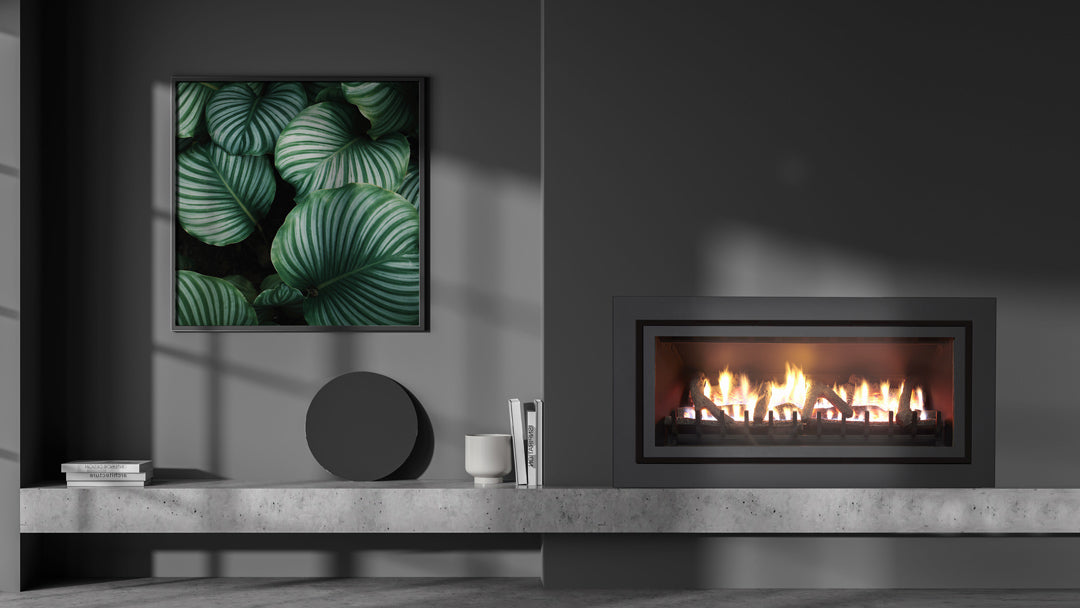
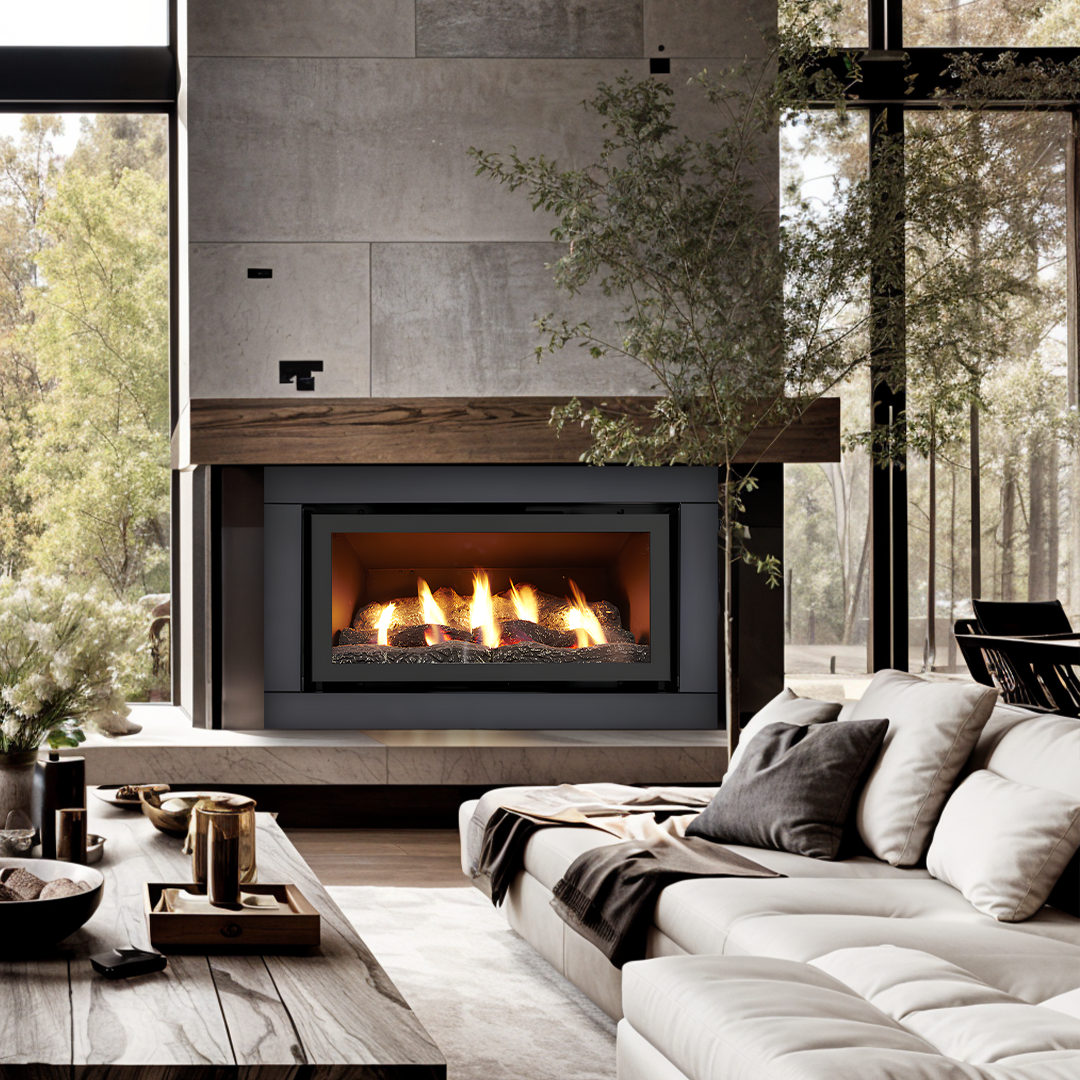
A gas log conversion replaces the old appliance with a modern gas fireplace that uses ceramic logs to mimic real flames, running on natural gas or LPG. It's the most common conversion path in Melbourne because most older suburbs already have gas connected and the existing chimney often does most of the structural work.
The practical scope of work usually includes:
- A chimney inspection. The existing flue rarely meets current standards and usually needs lining or replacement.
- New flue work. Either a stainless steel liner inside the existing chimney or a fresh flue depending on the unit and the building.
- Gas connection. Inbuilt gas log fireplaces must be installed by a licensed gasfitter in Victoria, with the work compliant to AS/NZS 5601.1:2022. Your standard plumber can't do it.
- Surround and hearth work. The opening usually needs reframing to suit the new unit's clearances.
- Sizing the unit to the room rather than to the existing opening.
Cost range: $4,000 to $10,000 plus, depending on the unit, flue requirements, and gas work. Timeline from order to working fire is typically two to four weeks if no major structural work is needed.
When gas log conversion makes sense: gas is connected at the property, the chimney is structurally sound, you want the warmth and visual depth of real flames, and the fireplace is intended to do real heating work through cold Melbourne winters. Illusion is Australia's largest gas log fireplace manufacturer, working factory-direct from Melbourne, with a range of inbuilt and freestanding units.
When it doesn't: there's no gas at the property and connecting it would cost more than the fireplace itself, the building is an apartment with shared flue restrictions, asbestos is present in the surround or hearth, or the chimney has structural problems that would need rebuilding before any conversion could happen.
The article on what it costs to run a gas fireplace breaks down typical Melbourne usage if running cost is shaping the decision.
Converting to an electric fireplace

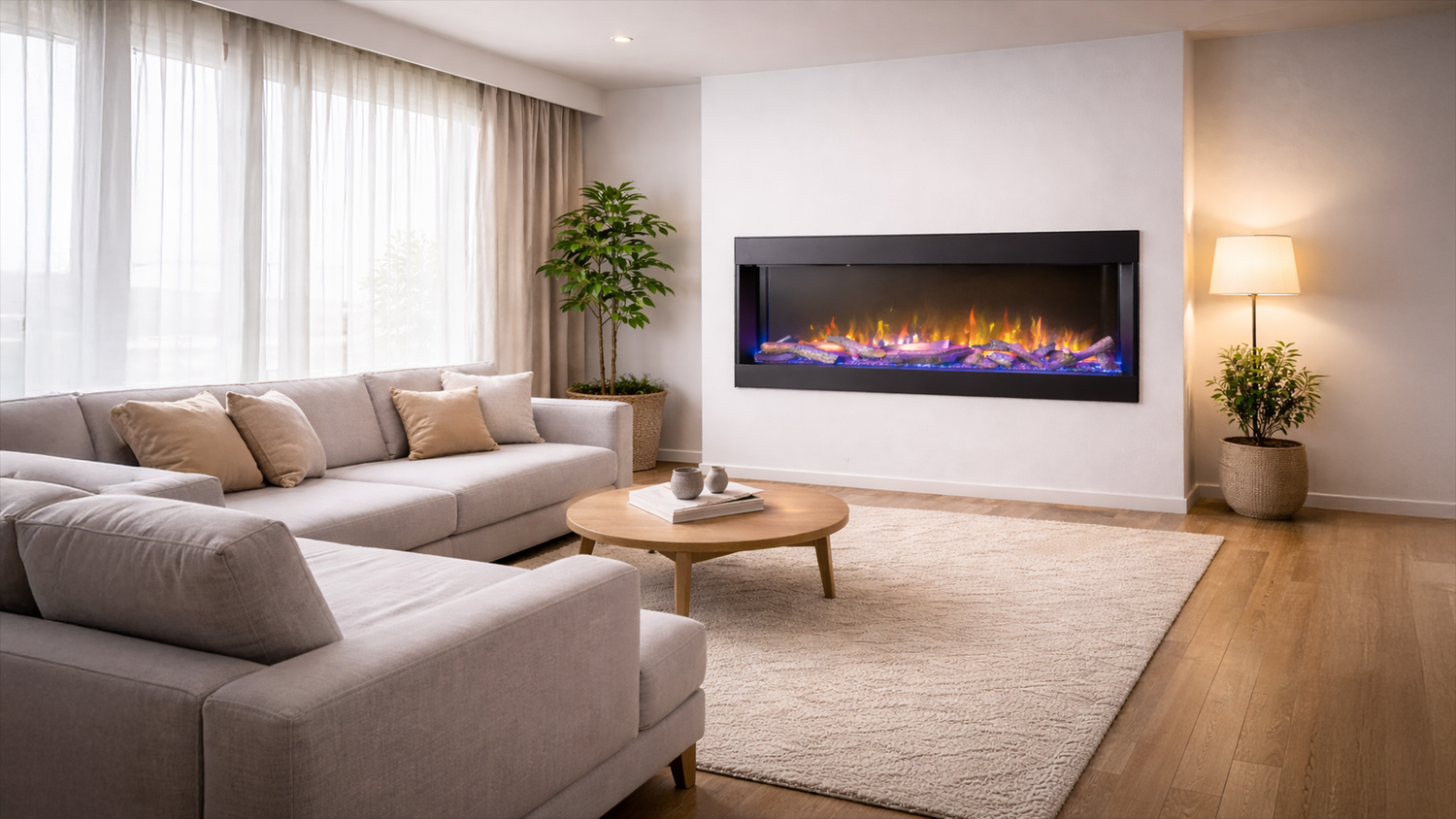
An electric fireplace conversion replaces the old appliance with a modern electric fire that runs from a standard 240V powerpoint or a hardwired connection. There's no flue, no gas, and no combustion. The chimney can be sealed off entirely or bricked up.
The practical scope of work usually includes:
- A licensed electrician for the powerpoint or hardwired connection. Standard electrical, but it has to be done compliantly.
- Sealing the chimney. The old chimney is usually capped at the top and at the firebox opening so it doesn't pull heat out of the room.
- Reframing the opening. Modern electric fireplaces come in wider format options than gas, including landscape designs that suit larger openings.
- Surround and hearth work depending on what's there now.
Cost range: $2,000 to $6,000 plus, depending on the unit and the electrical work. Timeline is typically one to three weeks, faster than gas because there's no flue or gas connection to coordinate.
When electric conversion makes sense: no gas at the property, an apartment, a smaller room where a high-output gas unit would be overkill, a renovation focused on aesthetic rather than primary heating, or a setup where the homeowner wants full thermostat control and zero maintenance. The Velisse Aura range covers most of these scenarios with realistic flame effects across a number of sizes.
When it doesn't: the fireplace is the primary heating source for a large open-plan room with poor insulation. Modern electric fireplaces produce real heat, but they're best understood as supplementary heat rather than a replacement for ducted heating or a high-output gas unit. The article on whether electric fireplaces are worth it in Australia covers this trade-off in more detail.
When the answer is to remove the old fireplace

Sometimes the smart move is to remove the old fireplace entirely and install a fresh appliance somewhere else in the room. As a fireplace manufacturer, this isn't the answer we lead with. For a meaningful share of older Melbourne homes, though, it's the right one.
The clearest signs that removal beats conversion:
- Conversion costs are getting close to a fresh install. Once the chimney needs rebuilding, the hearth needs replacing, and the surround has structural issues, you're not converting anymore. You're rebuilding. The numbers often favour walling up the old opening and starting fresh on a different wall.
- Asbestos is present in the surround or hearth. Common in pre-1980s installations. Removal needs proper testing and licensed asbestos removal, both of which add cost regardless of which path you take afterwards.
- The chimney has reached end of life. Cracked masonry, failed mortar, or water damage at the cap. Some of these can be repaired. Many can't, and rebuilding above the roofline runs into the price of a brand-new freestanding installation on the ground floor.
- Heritage overlay restrictions limit external changes. If your home is in a heritage overlay, the council may restrict what can be changed externally, including the chimney profile. Removal with internal replacement keeps the external building unchanged.
- The existing opening is in the wrong place. A renovated open-plan layout often leaves the original fireplace facing a wall instead of the new sitting area. Conversion preserves the location. A fresh install lets you put the fire where the room now points.
In practice, removal usually means walling up the old opening, plastering and painting back to a flat wall, and installing a freestanding gas log fire or electric fireplace on a different wall. New flue if you go gas. Standard electrical work if you go electric. The chimney above the roofline can be left in place, capped, or removed depending on cost and council requirements.
What it costs and what affects the price
Conversion costs vary more than most homeowners expect because the fireplace itself is rarely the biggest line item. The chimney, the flue, the surround, and any structural work usually add up to as much as the unit, sometimes more.
The three paths at a glance:
| Path | Typical cost range | Typical timeline | When it makes sense |
|---|---|---|---|
| Gas log conversion | $4,000–$10,000+ | 2–4 weeks | Gas connected, sound chimney, primary heating |
| Electric conversion | $2,000–$6,000+ | 1–3 weeks | No gas, apartment, simpler install, supplementary heating |
| Remove and replace elsewhere | $5,000–$12,000+ | 3–6 weeks | Structural issues, asbestos, heritage restrictions, redesign |
The cost drivers worth knowing about before you ask for a quote:
- Existing chimney and flue condition. A sound chimney with a usable flue path is the single biggest variable. A failing one can add $2,000 to $5,000 to the project.
- Gas connection. Extending an existing gas line costs less than running new gas to the room. New gas connections to the street can run into thousands.
- Surround and hearth work. Reframing the opening, replacing tiled hearths, and finishing back to a presentable result is rarely a small line.
- Asbestos removal. If testing comes back positive, licensed removal is mandatory and adds cost regardless of conversion path.
- Finishing. New mantels, custom tiling, and feature walls move the project from conversion into renovation territory.
A 10-year firebox warranty on the unit, included on every Illusion fireplace, takes the appliance out of the cost-of-ownership equation for a long time. The variables sit in the building work, where they should.
How to start the process

The best conversion projects start with a showroom consultation rather than a quote over the phone. The showroom team can see the unit options, talk through what each one would look like in your room, and flag the conversion-specific questions before you commit to anything.
What to bring to the consultation:
- Photos of the existing fireplace from at least three angles, including one of the flue at the roof if you can get it safely.
- Room measurements, especially the wall the fireplace sits on, the ceiling height, and how far the room runs from the fireplace.
- The build year of the house. Pre-1980s usually means asbestos testing. 1990s gas often means a known appliance pattern.
- Knowledge of what's already connected. Is there gas at the meter? Is there a powerpoint near the fireplace?
The questions worth asking the consultant:
- What will the conversion involve at this specific property? (Beware of any showroom that quotes without a site assessment for older homes.)
- Who handles each part of the work, and which parts are subcontracted?
- What's the realistic timeline from order to first fire?
- What's not included in the quoted price? (Hearth tiling, mantel work, electrical, and asbestos removal are often the gaps.)
Illusion's process is built for this. The same team that designs and manufactures the fireplace runs the consultation, so what you're told in the showroom is what you get installed at home.
Book the consultation before autumn books out
Most conversions take two to four weeks from order to working fire if the structural work is straightforward. Longer if the chimney needs rebuilding or asbestos comes up in testing. A fire by July needs a decision by late May.
Showroom locations across the network: Dandenong, Epping, Geelong, Ballarat, Adelaide, Perth, Sydney, and Newcastle.
One specific reason to start in April rather than waiting: conversion bookings concentrate in autumn, and the licensed gasfitters and chimney sweeps we coordinate with are at their busiest in May and June. A consultation now gives you the room to plan the conversion rather than scramble to beat winter.

Leave a comment
This site is protected by hCaptcha and the hCaptcha Privacy Policy and Terms of Service apply.